Optimal Timing for Driveway Plowings

Performing driveway plowings early in the morning ensures clear access before traffic increases and snow compacts.
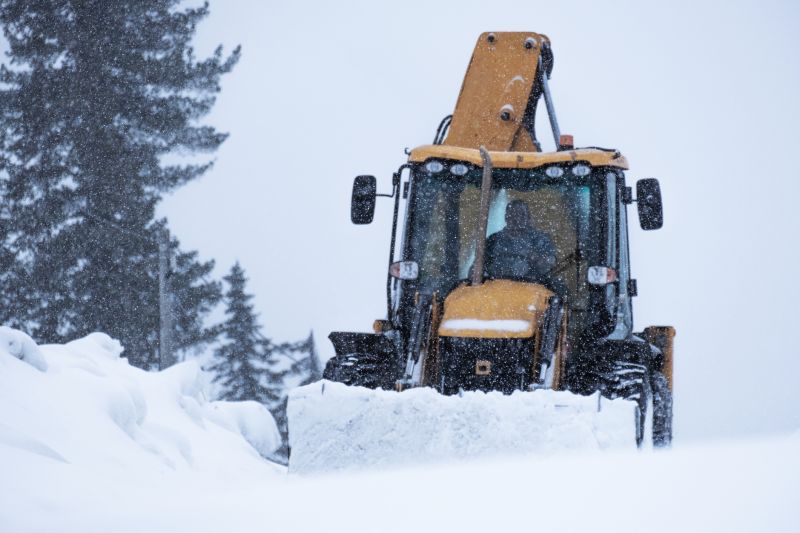
Light snowfalls are ideal for plowing to prevent accumulation and reduce the need for heavy-duty clearing later.
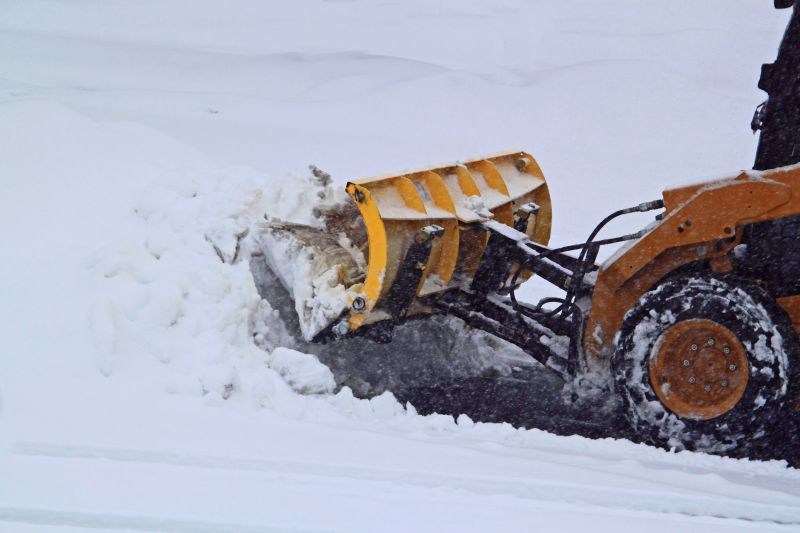
Plowing immediately after a snowfall prevents ice formation and maintains safe driveway conditions.
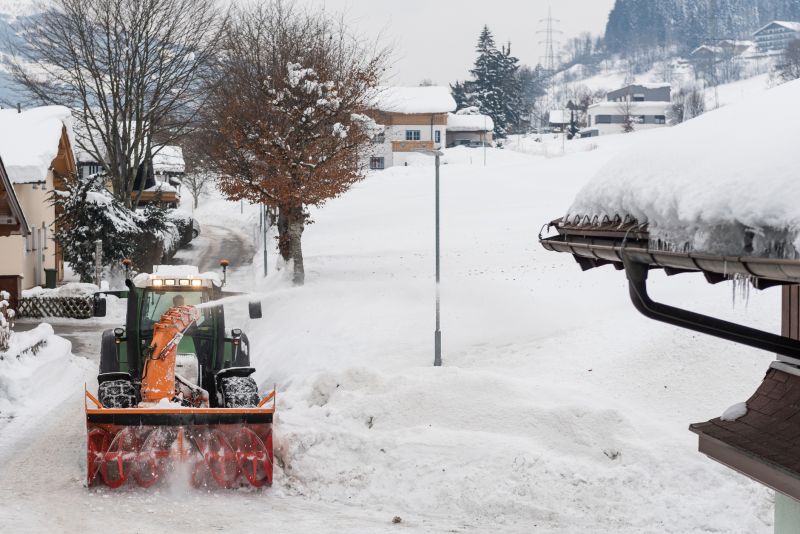
Waiting until snow reaches about 2 inches ensures efficient plowing without excessive accumulation.
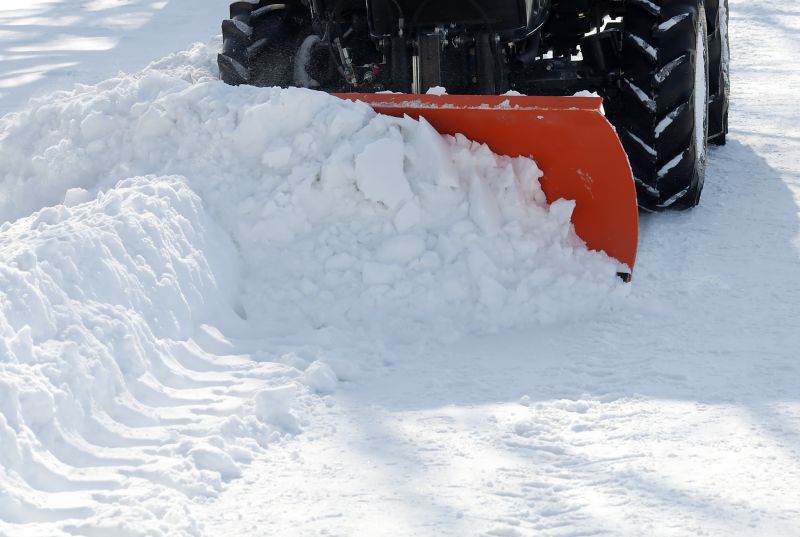
Plowing before temperatures drop significantly helps prevent ice buildup and makes removal easier.
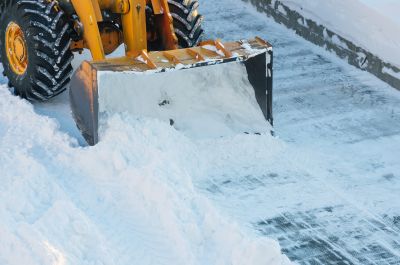
Preemptive plowing ahead of forecasted heavy snow can minimize driveway obstruction and damage.
Driveway plowings are a crucial component of winter maintenance, helping to ensure safe access and prevent accidents. Proper timing of plowing activities can significantly impact the effectiveness of snow removal efforts. Regular plowing during snowfalls prevents excessive accumulation, reduces the risk of ice formation, and maintains driveway integrity. According to industry statistics, timely plowing can reduce snow-related accidents by up to 30%, emphasizing the importance of strategic timing.
Optimal driveway maintenance involves monitoring weather forecasts and snow accumulation levels. Plowing when snow reaches approximately 2 inches prevents compaction and makes subsequent removal easier. Additionally, performing plowing before temperatures drop below freezing can prevent the formation of ice patches, which pose safety hazards. The timing of driveway plowings can also influence the longevity of driveway surfaces, as frequent, well-timed plowings minimize surface damage and prolong pavement life.
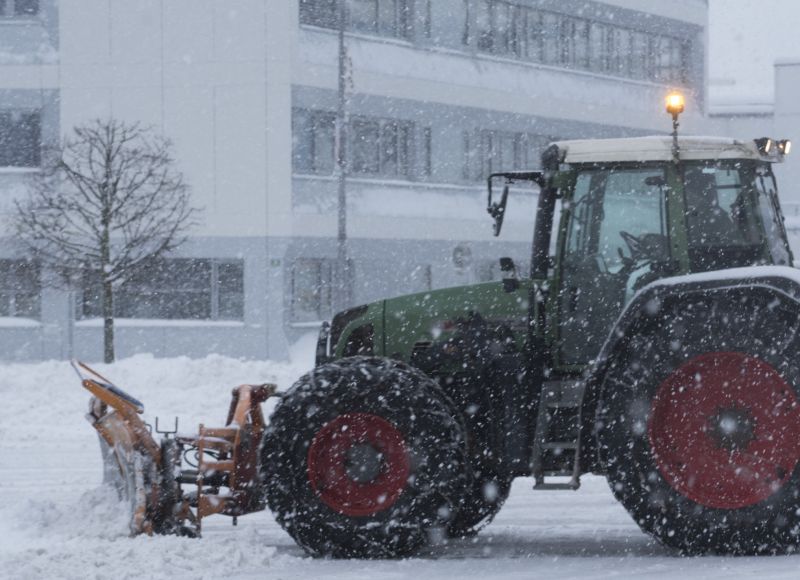
Using appropriate equipment ensures efficient and safe driveway clearing during winter months.
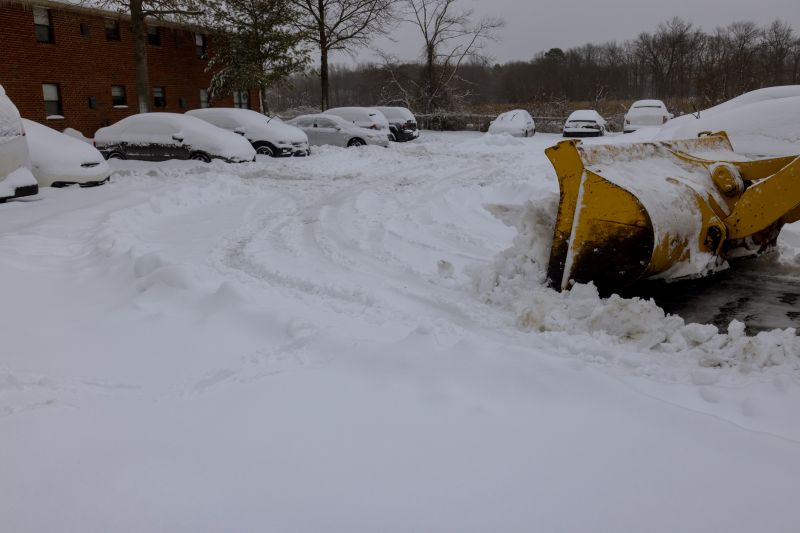
Techniques such as pushing snow to the sides and avoiding repeated passes help prevent driveway damage.
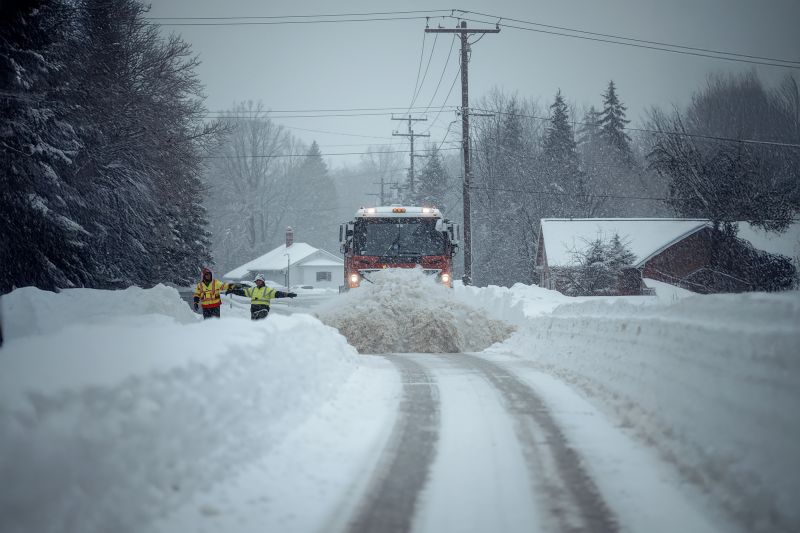
Timely plowing reduces slip hazards and maintains safe driveway access for vehicles and pedestrians.
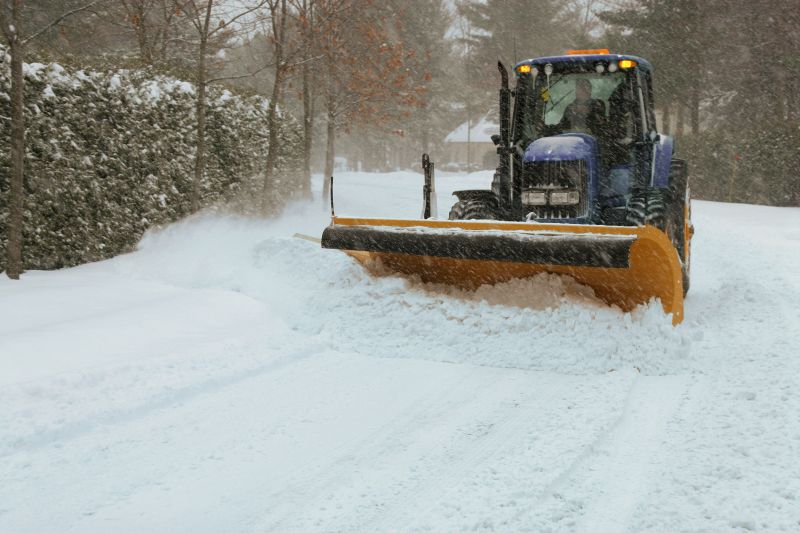
Regular inspection and maintenance of plowing equipment ensure readiness for winter storms.
| Snow Depth | Recommended Action |
|---|---|
| Less than 1 inch | Monitor and prepare for light plowing if needed. |
| 1-2 inches | Perform light plowing to prevent buildup. |
| 2-4 inches | Ideal time for standard driveway plowing. |
| 4-6 inches | Schedule more extensive plowing to manage heavy accumulation. |
| More than 6 inches | Consider multiple passes or professional assistance to clear snow. |
Effective driveway plowing requires understanding snow accumulation patterns and weather conditions. Regularly assessing snow depth and weather forecasts can help determine the most appropriate times for plowing. Proper timing not only enhances safety but also extends the lifespan of driveway surfaces by minimizing damage caused by ice and heavy snow loads.
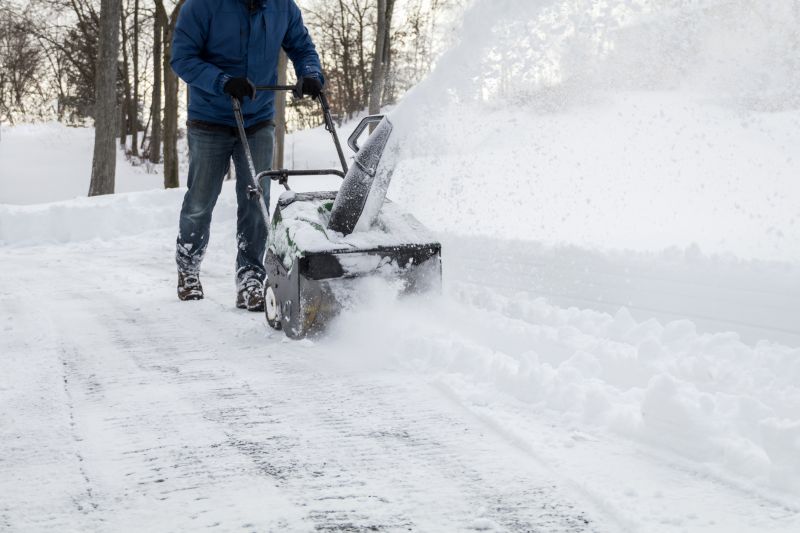
Choosing the right tools, such as snow blowers and plows, improves efficiency in driveway maintenance.
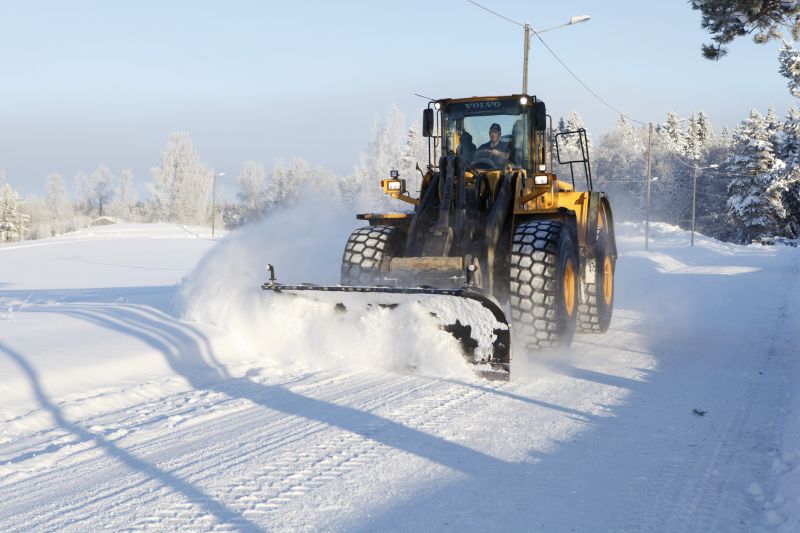
Scheduling plowings during daylight hours enhances safety and visibility.
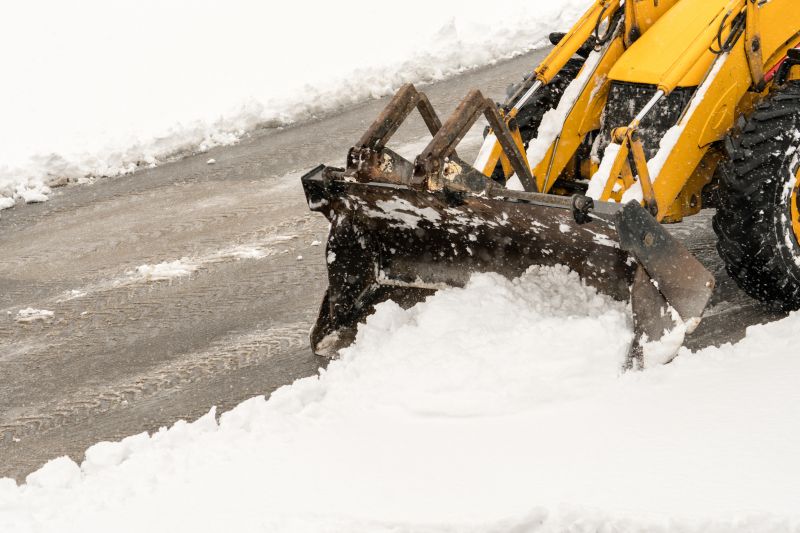
Plowing before ice develops helps maintain safe driveway conditions.
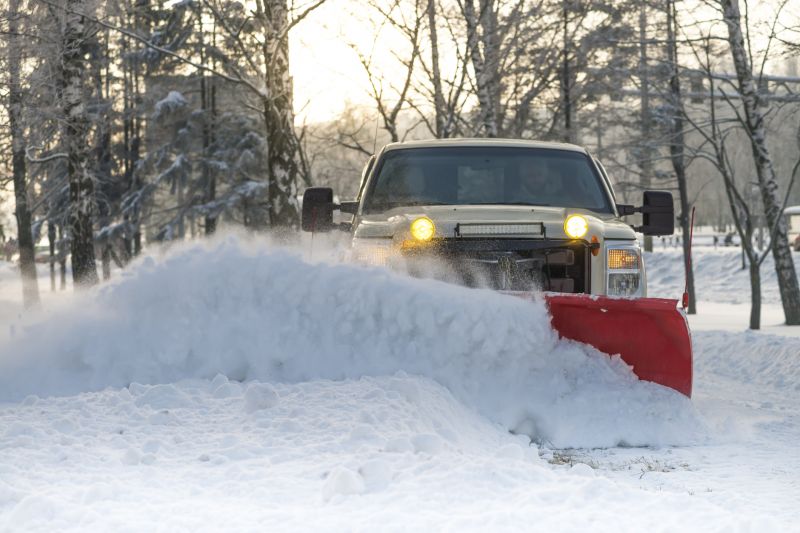
Checking for remaining snow or ice ensures thorough driveway clearing.
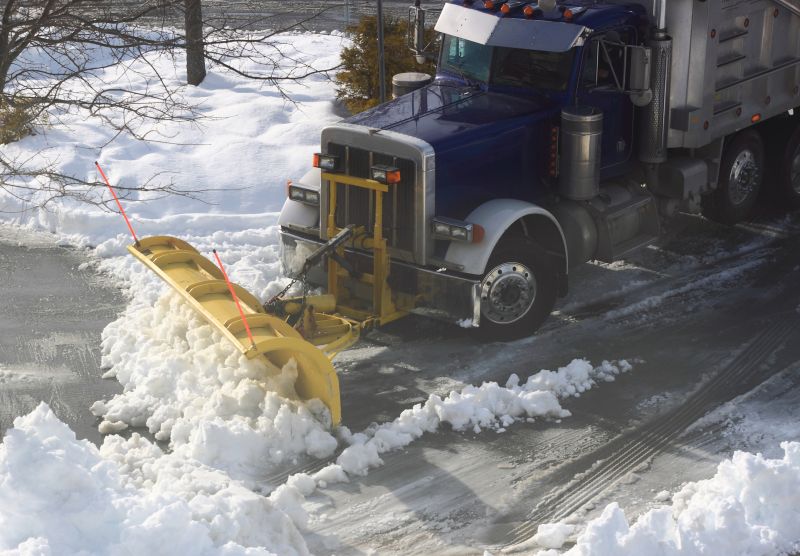
Staying updated on weather forecasts assists in planning timely plowings.
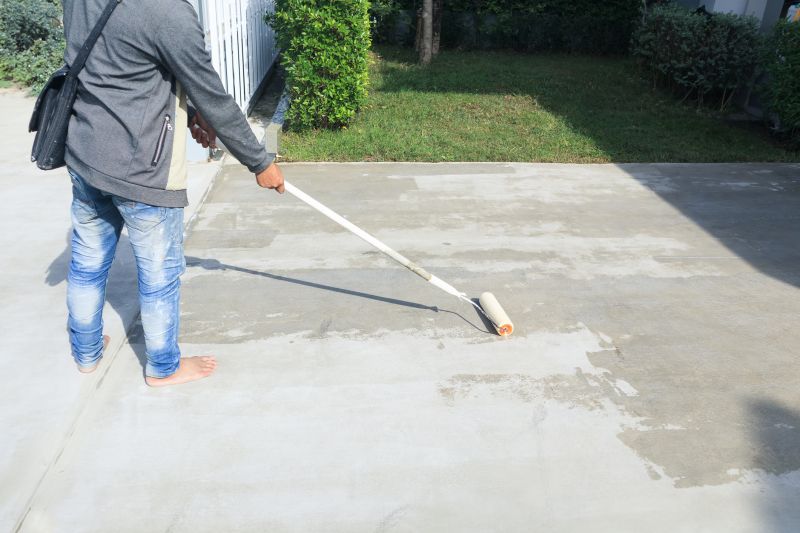
Proper timing and technique help preserve the driveway surface over winter.
Timely driveway plowings are essential for safety, accessibility, and driveway longevity. By understanding snowfall patterns and employing strategic timing, property owners can effectively manage snow accumulation. Consistent and well-timed plowing reduces the risk of ice formation, minimizes surface damage, and ensures driveways remain accessible throughout winter.
Interested in driveway plowing services? Filling out the contact form can provide further information and assistance for maintaining safe and accessible driveways during winter months.
Ways to make Driveway Plowings work in tight or awkward layouts.
Popular materials for Driveway Plowings and why they hold up over time.
Simple add-ons that improve Driveway Plowings without blowing the budget.